
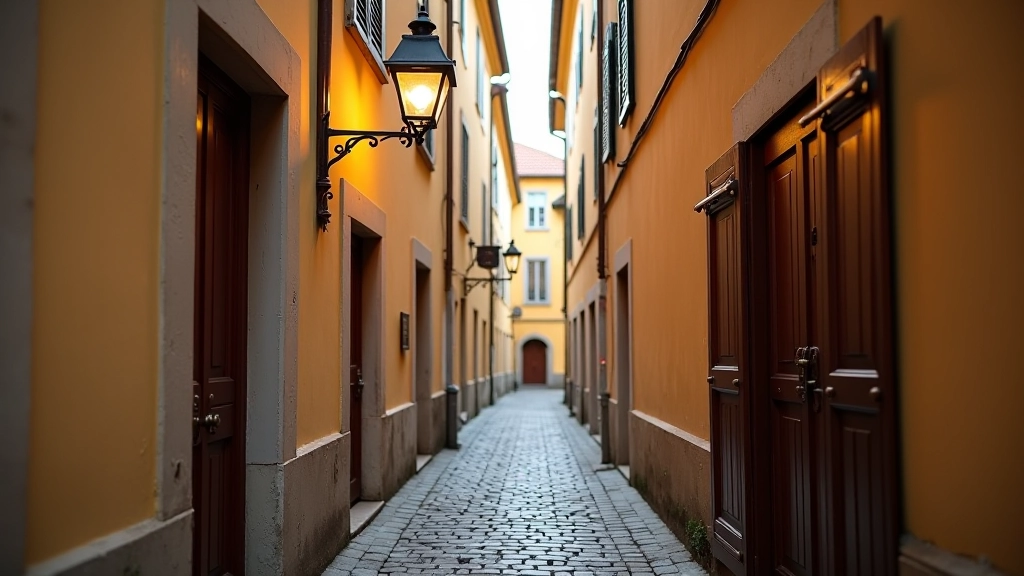
Hidden Courtyards & Renaissance Route
Explore the quiet inner courtyards and Renaissance architecture that tourists often miss. Discover hidden passages, merchant houses, and peaceful gardens tucked away from main streets.
A gentle 2.5 km loop through the heart of Old Town. Covers the Cathedral, Town Hall, and the best viewing spots. Mostly flat with rest benches throughout.
Written by
Vilnius Old Town Editorial Team
Editorial Team focused on practical, accessible heritage walk guides for seniors
If you're thinking about exploring Vilnius Old Town but aren't sure where to start, this walk is your answer. It's not a race through history — it's a chance to actually look at things, sit down when you need to, and soak in the atmosphere of one of Europe's most beautiful medieval centers.
The route centers on Cathedral Square, where you'll find the grand Cathedral and Town Hall side by side. The whole loop is 2.5 kilometers, mostly on flat, well-maintained cobblestone streets. You're not climbing hills or navigating confusing turns. There's a bench or café break roughly every 400 meters, which makes a real difference when you're on your feet.
We've designed this specifically for people who want substance without exhaustion. You'll see Renaissance architecture, learn about Vilnius's medieval past, and understand why this city matters. Plus, you'll finish with enough energy left to grab coffee afterward.
Most people complete this walk in about 90 minutes to 2 hours. If you stop at a museum or spend time sketching, add another 30-45 minutes. The route works in any weather — just wear proper shoes.
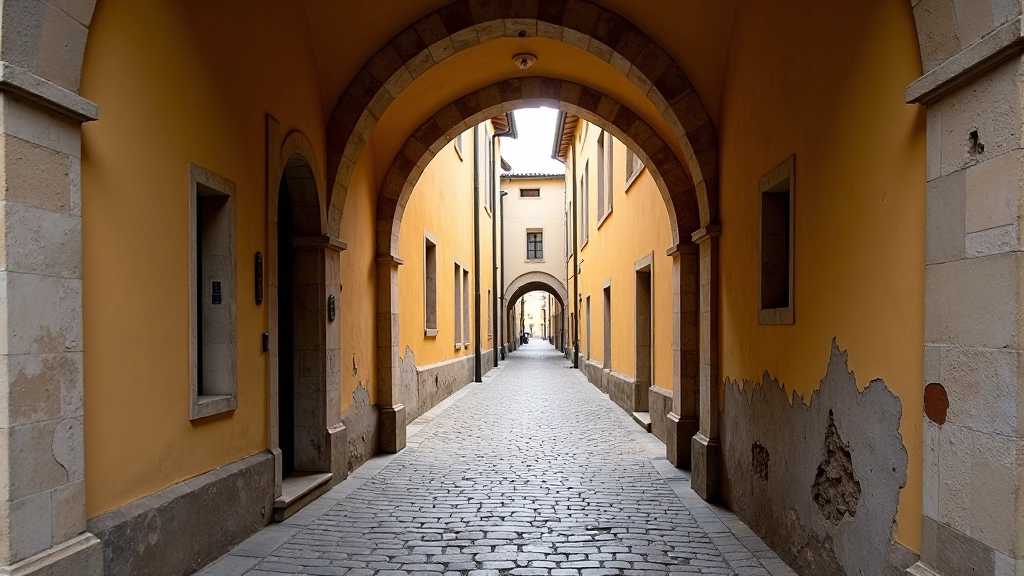
The Cathedral itself is hard to miss — it's the largest religious building in Vilnius and sits on a slight rise in the square. You'll notice the neoclassical columns and the bell tower immediately. Inside (if you visit), the scale is impressive. The square in front is where locals gather, where markets happen seasonally, and where you get the clearest sense of the city's civic heart.
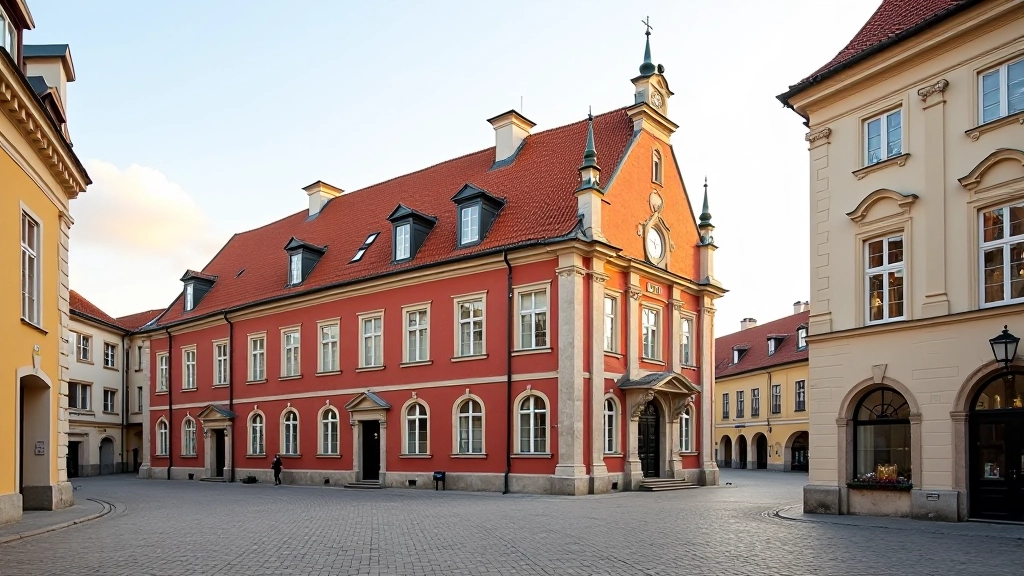
The Town Hall is the brick building with the tower. It's been rebuilt several times over 500+ years, so what you're seeing is a mix of periods — medieval bones with Renaissance and later additions. The Town Hall used to be the center of local government and still hosts cultural events. You can see its reflection in the square's paving if you stand at the right angle, especially on rainy days.
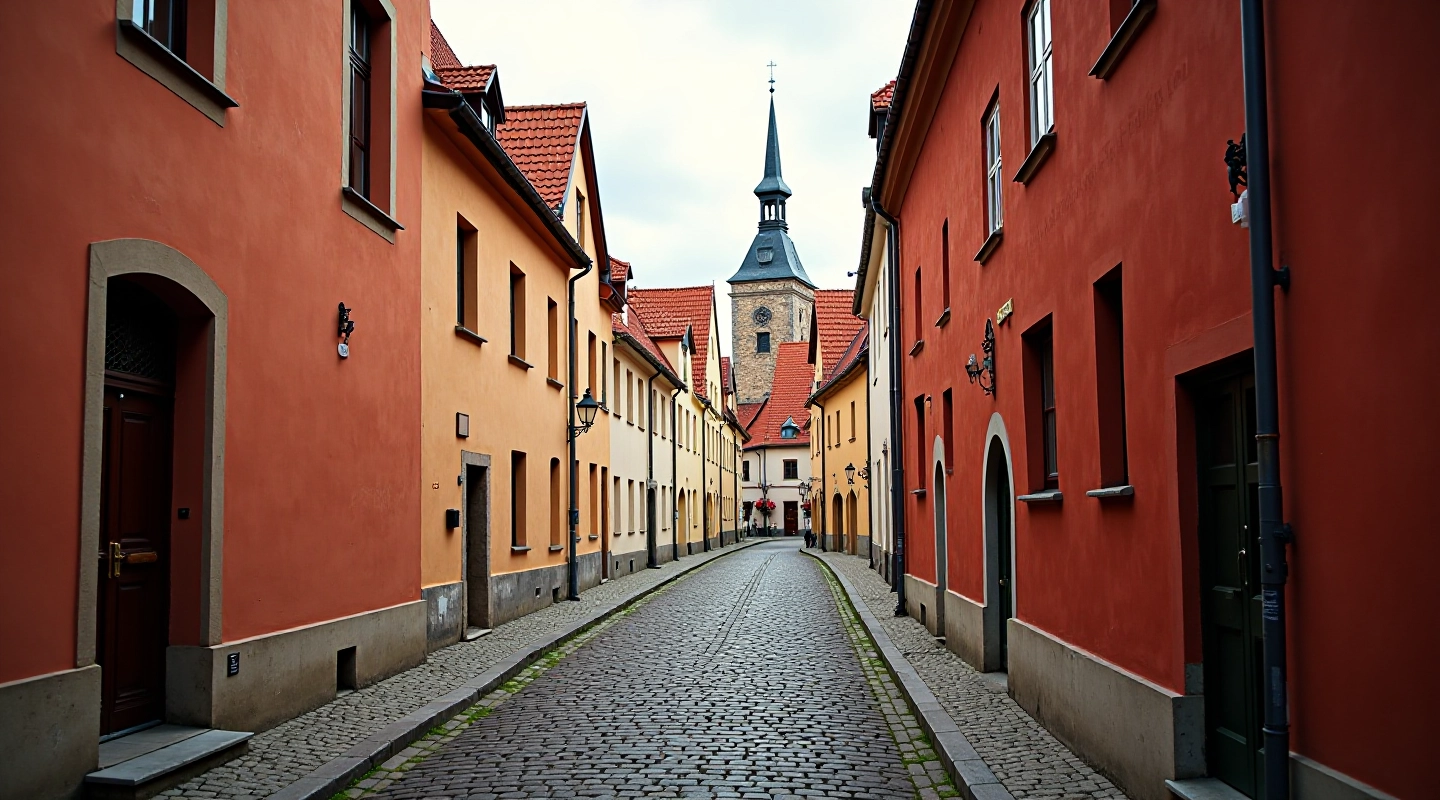
As you move through the surrounding streets, you'll pass merchants' houses, guild buildings, and narrow courtyards. There's a rhythm to the architecture — regular windows, consistent roof lines, colors that range from pale yellows to deep reds. It's not flashy or over-restored. It's lived-in medieval space.
This guide is informational and intended to help you plan a heritage walk. Specific opening hours for buildings, seasonal closures, and accessibility features change regularly. Always check local tourism websites or contact venues directly before visiting to confirm current conditions, admission fees, and any access requirements.
The walk starts at Cathedral Square itself. You can reach it by bus, car, or a 15-minute walk from the train station. There's a public car park about 200 meters away if you're driving. The Cathedral Square has public restrooms nearby — important information for a walk of this length.
Surfaces are mostly cobblestone, which is firm but uneven. Wear shoes with decent support and a bit of grip. In winter, ice can make the stones slippery. Spring and autumn are ideal — you'll have decent light without midday heat.
Bring water. There are cafés and small shops along the route, but they're not always open in off-season. A light jacket works most of the year. The square and surrounding streets offer sun and shade depending on the time of day — Cathedral Square gets full sun in afternoon, while the side streets are shadier.
Photography here is straightforward. No special permits needed for personal photos. The light is best in early morning or late afternoon when shadows add depth to the stonework.
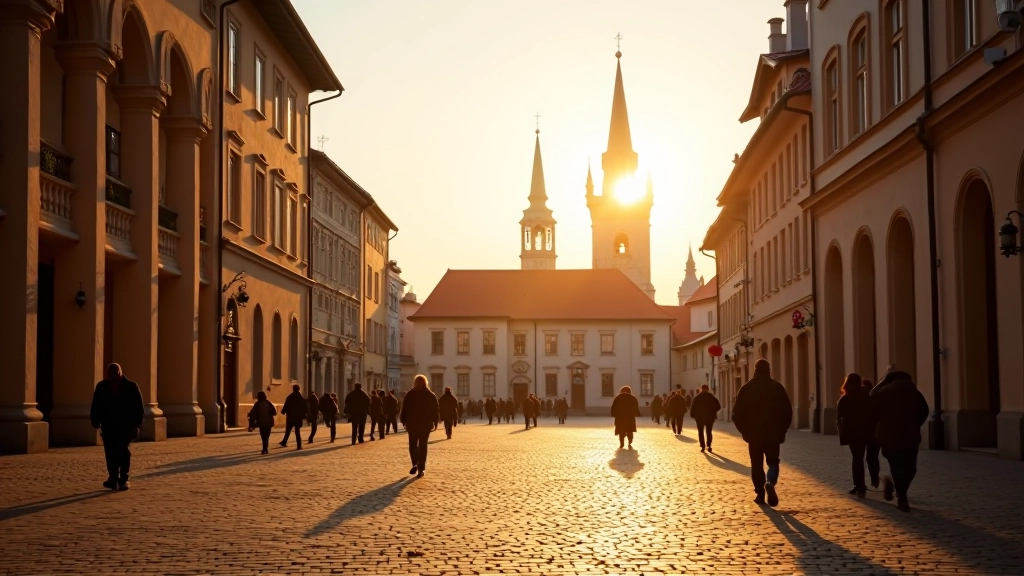
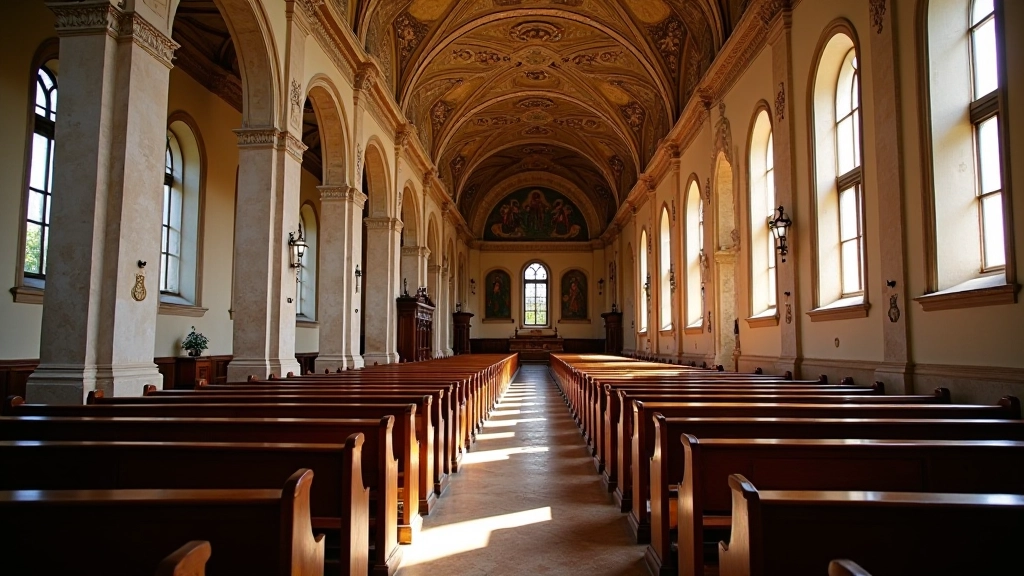
The route naturally flows through several smaller streets radiating from Cathedral Square. Vokiečių Street (German Street) heads northeast and shows you merchant houses with their original shutters and courtyards. Ausros Street (Dawn Street) goes south toward the Gate of Dawn, a 16th-century defensive structure that's still standing.
You'll pass two smaller churches on this loop — one on Ausros Street and another tucked into a side street. They're not as grand as the Cathedral, but they're where locals actually attend services. The interiors are quieter and more intimate than the main Cathedral.
There's also a museum of the town's history located just off the main square, though it's optional. Some people spend 30 minutes inside; others just photograph the façade and move on. Either approach works fine for this walk.
Cathedral Square and the Town Hall aren't just old buildings. They're evidence of how Vilnius organized itself centuries ago. The fact that civic power (Town Hall) and religious power (Cathedral) sat side by side tells you something about how the city thought about itself. Medieval Vilnius was building something lasting, and you can see that intention in every stone.
Walking this loop isn't about checking boxes. It's about understanding how a city works when you slow down and actually look. You'll see where markets happened, where people gathered for announcements, where religious processions moved through narrow streets. That's the real history — not dates in a guidebook, but the physical layout that shaped how people lived.
And here's the practical truth: you can do this walk at your own pace, sit whenever you need to, and still feel like you've genuinely experienced medieval Vilnius. That's the whole point of designing a route like this.
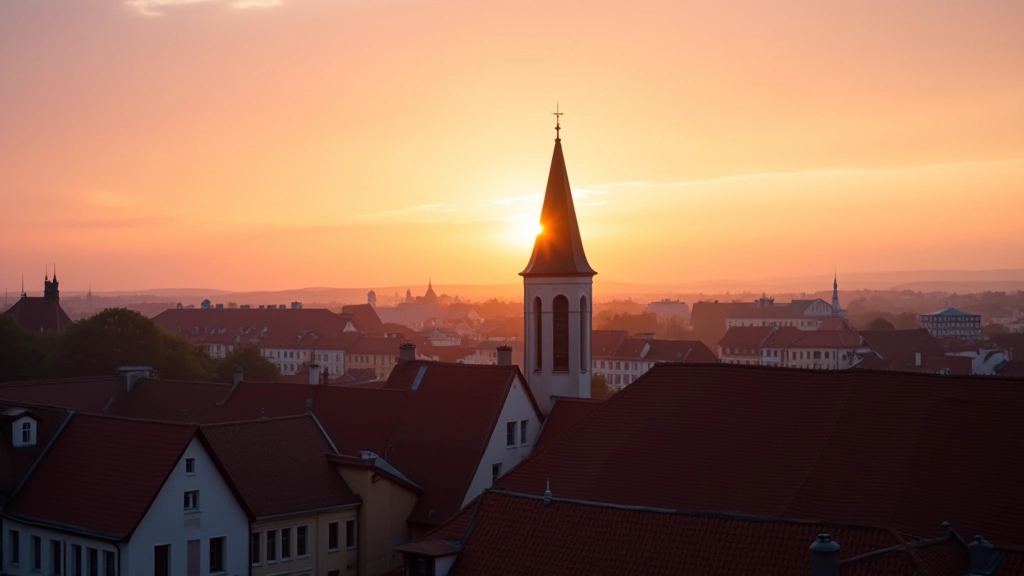
Explore the quiet inner courtyards and Renaissance architecture that tourists often miss. Discover hidden passages, merchant houses, and peaceful gardens tucked away from main streets.
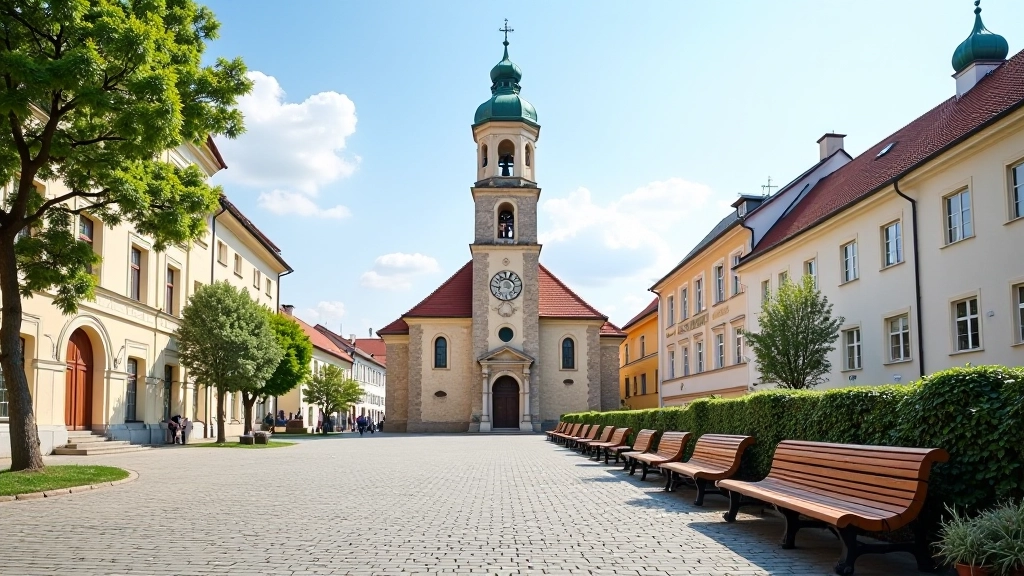
Visit seven major churches and chapels across the Old Town. Covers spiritual history, architectural details, and the stories behind each sacred space in Vilnius.
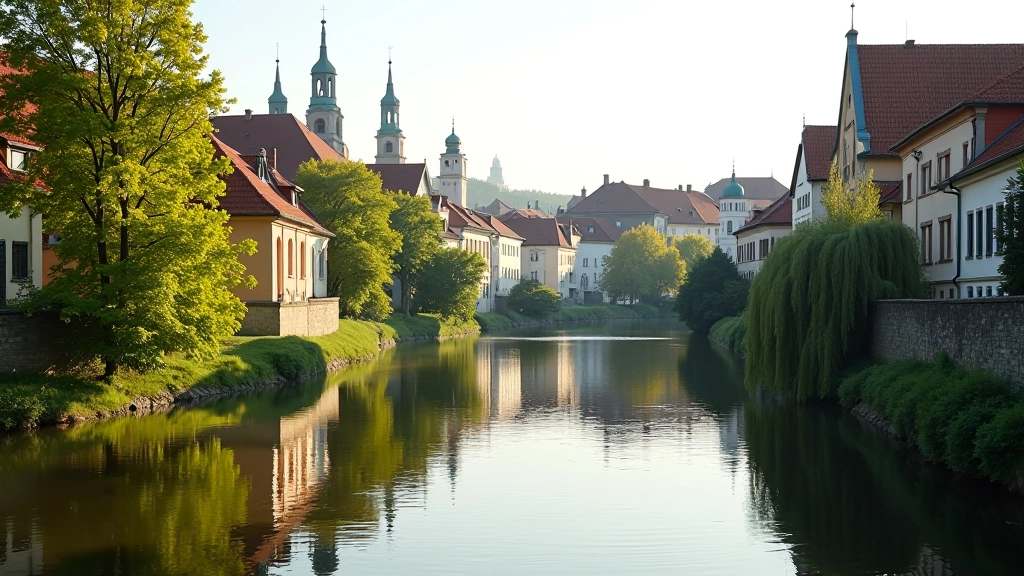
A peaceful 3 km route along the Vilnia River with views of the Old Town. Combine medieval architecture with natural green spaces and riverside rest points.