
Cathedral Square & Town Hall Walk
A gentle 2.5 km loop through the heart of Old Town. Covers the Cathedral, Town Hall, and the surrounding squares with plenty of benches and cafés.
Explore the quiet inner courtyards and Renaissance architecture that tourists often miss. Includes cafés and museums along the way. About 1.8 km total.
Written by
Vilnius Old Town Editorial Team
Focused on practical, accessible heritage walk guides for seniors.
This route isn't about rushing through major attractions. It's about discovering what makes the Old Town feel alive — the hidden squares, the Renaissance details above doorways, the quiet cafés tucked into centuries-old buildings. You'll walk less than 2 kilometers, but you'll see corners of Vilnius that most visitors completely miss.
The walk moves slowly. There's time to stop, look around, maybe sit down. Perfect for anyone who wants to understand the city's character without the crowds or the steep hills. You'll cover genuine history, real local life, and architecture that tells stories.
Begin on Pilies Street — one of the Old Town's main arteries. You'll recognize it by the mix of tourist shops and genuine local businesses. Don't walk the whole street. Instead, stop at number 26. Here's where the route actually begins.
There's an entrance — probably unmarked — that leads into a courtyard. Most people walk right past it. You'll enter a different world. Suddenly you're away from street noise. You're in a Renaissance courtyard surrounded by 16th and 17th-century buildings. The walls lean slightly. Windows are irregular. It's exactly what the city looked like 400 years ago.
Spend time here. Look up at the roof lines. Notice the chimneys, the way the brickwork patterns change. There's often a café here — a real neighborhood spot, not a tourist trap. The coffee isn't expensive. The people sitting around are locals who work nearby.
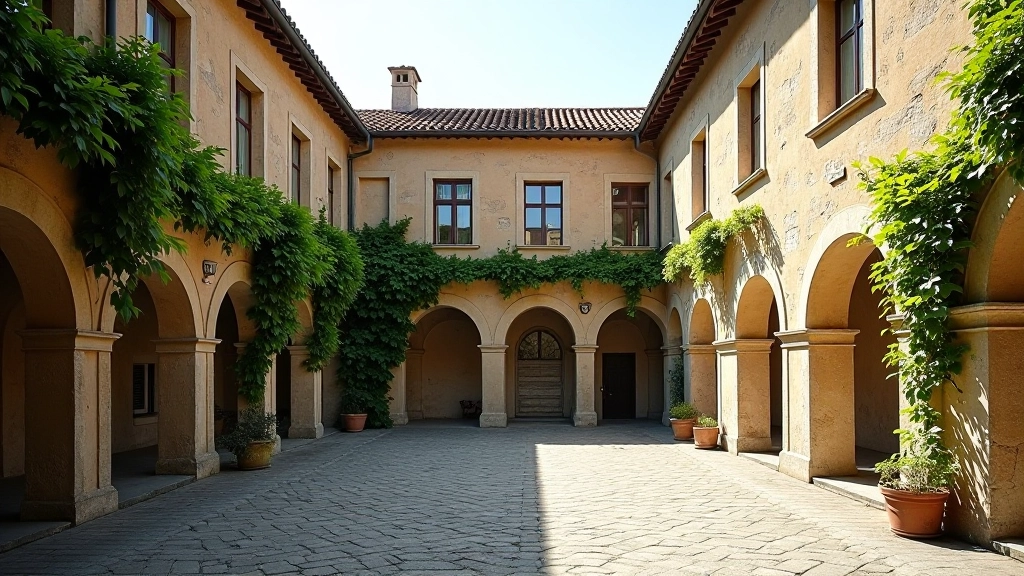
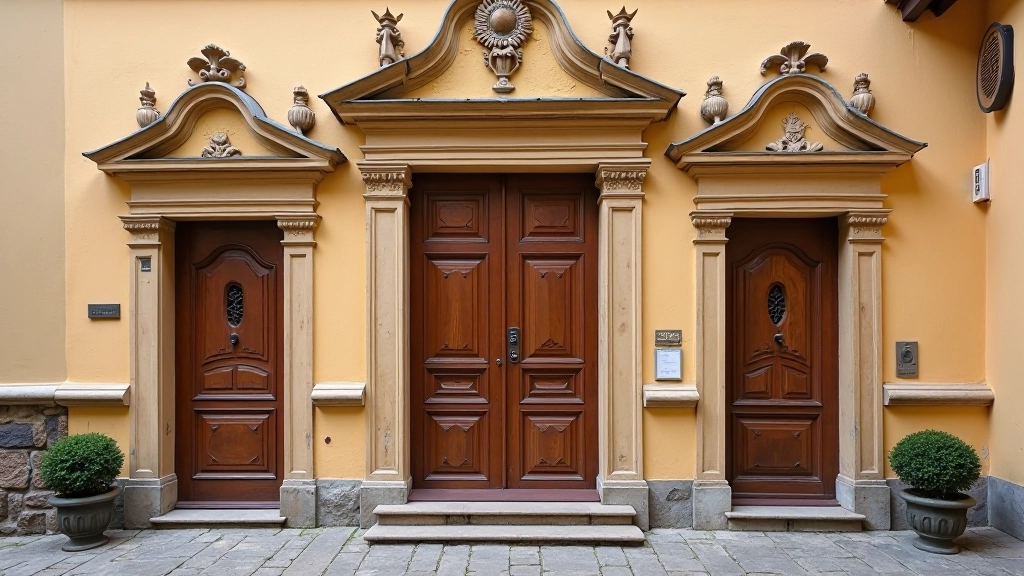
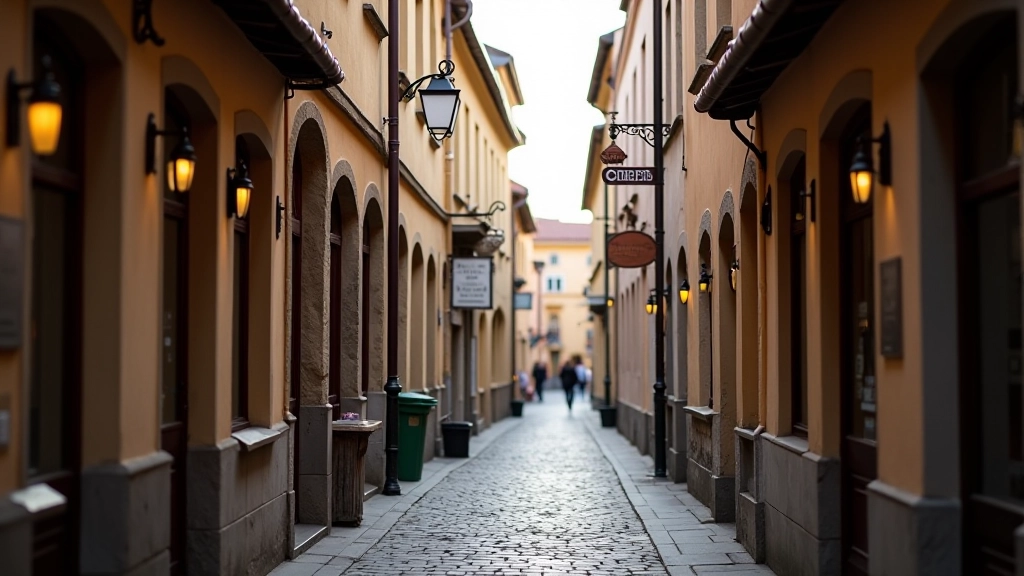
From here, you'll navigate through a series of connected courtyards and narrow passages. This isn't a straight line — it's more like following bread crumbs. Each passage leads to another small square or courtyard. The buildings date from different centuries, so you'll see medieval stone walls next to Renaissance windows next to 18th-century additions.
About 400 meters in, you'll reach Savičiaus Square. It's genuinely quiet. A few benches, trees providing shade, maybe a handful of people. The museum entrance here is worth noting — the painted facade is original Renaissance work, restored carefully. You don't need to go inside (though you can). Just look at the craftsmanship. The proportions, the colors, the details above the door. This is what people invested in their buildings back then.
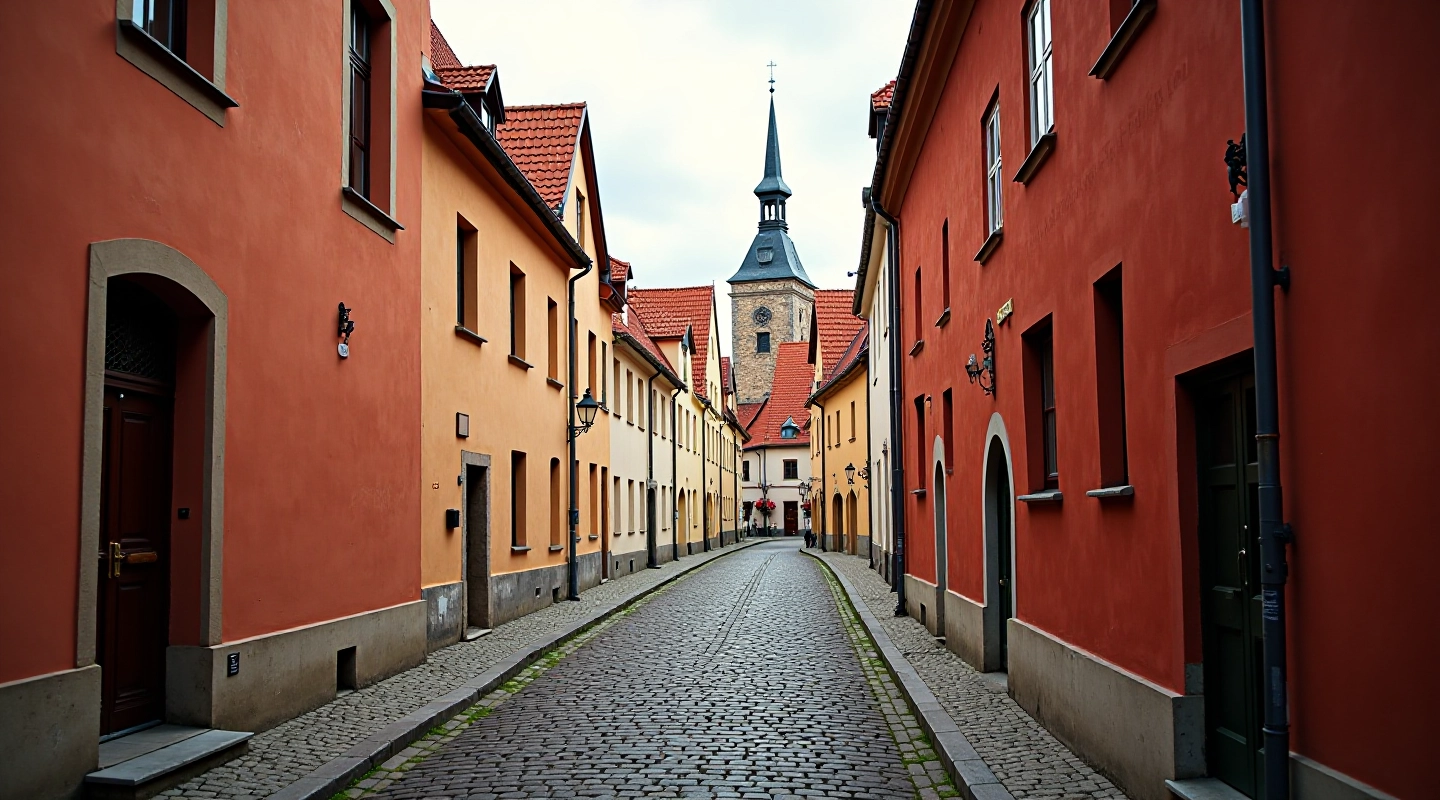
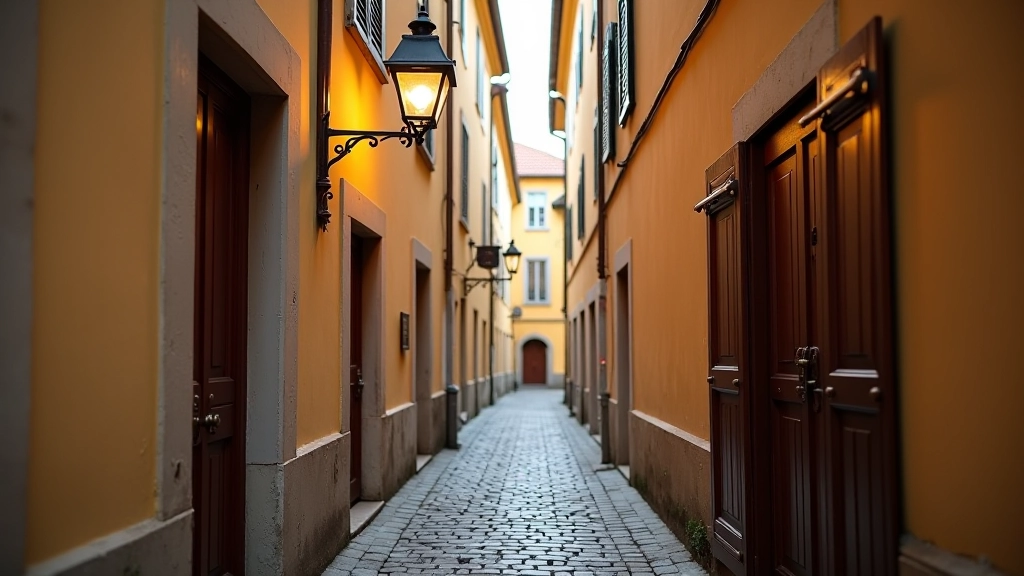
Keep walking. The passages get narrower. Stone under your feet — actual medieval cobblestones, worn smooth by centuries. The walls lean in. It's intimate. Not claustrophobic, just... real. This is genuine old architecture, not recreated for tourists.
Please note: This guide is informational and describes the route as it exists in 2026. Courtyards, passages, and museum hours can change. Always check current opening times before visiting. Some courtyards may be private property — respect any signs or barriers. Weather and seasonal conditions affect accessibility. Wear comfortable walking shoes with good grip, especially after rain when cobblestones get slippery.
You're roughly halfway through when you reach Daugulio Street. This is where the route opens up slightly. The street's wider. There are actual storefronts — not chain shops, but working craftspeople. You'll see an art gallery here, maybe a bookbinder's workshop, a small gallery showing local photography. These are genuine businesses, not tourist attractions created for visitors.
This is a good place to pause. Grab water if you need it. There's a small café across the way — nothing fancy, just genuine coffee and pastries. Sit for 10 minutes. Watch how the light moves through the buildings. Notice how the street feels different from the tourist routes just a few blocks away.
The architecture here tells a practical story. These weren't built for beauty first — they were built for living and working. The ground floors are workshops. The upper floors are residences. You can still see where shop signs used to be mounted. Windows have been enlarged and reduced over centuries as needs changed. It's authentic urban evolution.
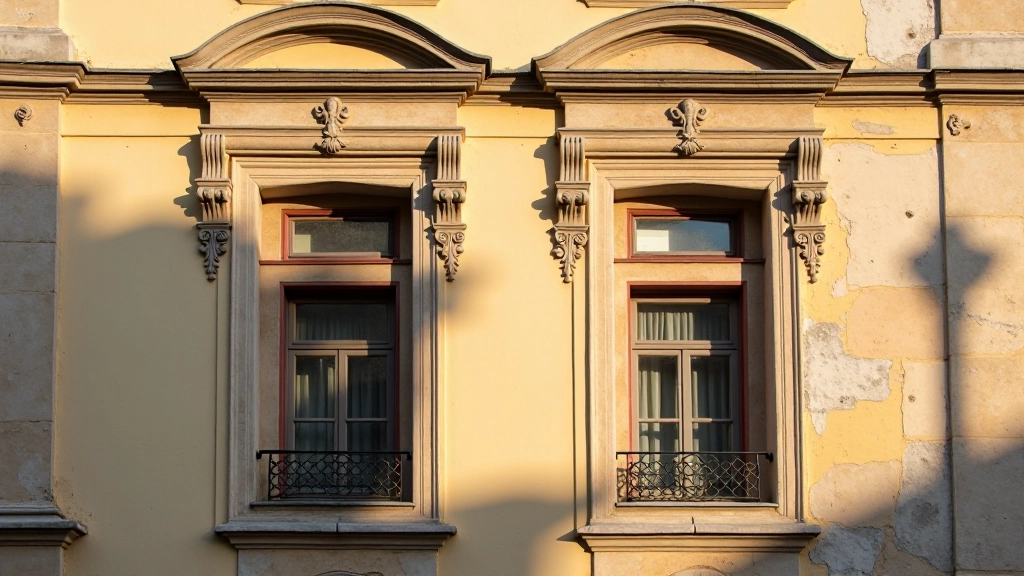
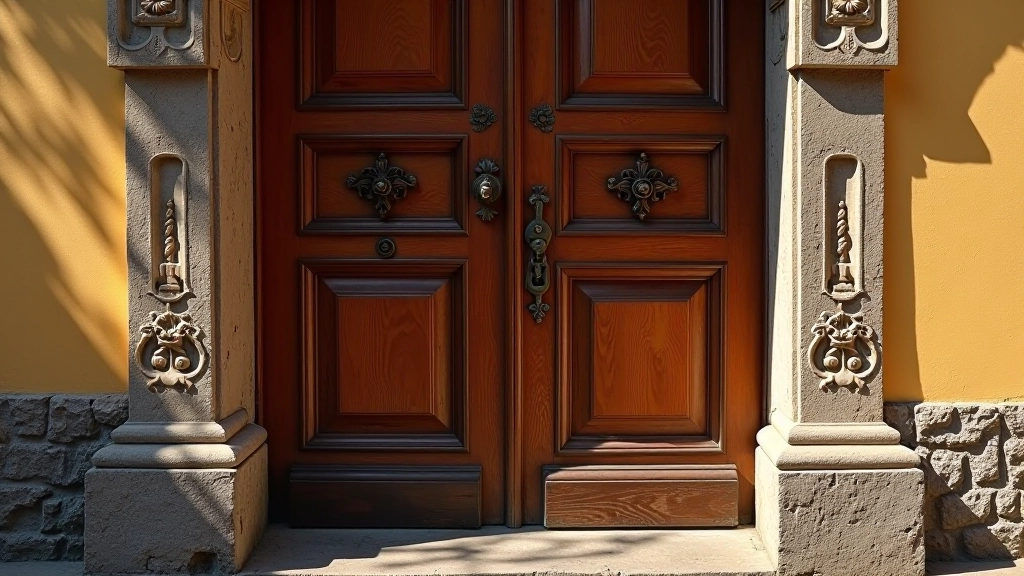
The route's real value isn't in covering distance quickly. It's in looking closely at architectural details. Renaissance buildings have specific characteristics — look for them as you walk. You'll see decorative stone molding above doorways and windows. These frames are still visible even when paint has worn away. The proportions are precise. There's mathematical thinking behind them.
Notice window placement too. Medieval buildings have small, irregular windows. Renaissance buildings introduce symmetry — windows are the same size, positioned deliberately. This shift represents a change in how people thought about buildings and beauty. It's not just aesthetic. It's philosophical.
The courtyards themselves serve a purpose. They're not decorative. They provided light, air, and water access to buildings before modern plumbing and electricity. The way they're proportioned — the relationship between the open space and the surrounding walls — creates acoustic properties. Sounds travel differently in these spaces. Stand in the center of a courtyard and listen. You'll hear your own voice differently than on an open street.
The route ends naturally where the courtyards open onto Aušros Vartų Street. You're back at a main thoroughfare, but you've experienced something most visitors miss. The entire walk takes about 90 minutes if you move steadily. Add another hour if you stop frequently, sit in courtyards, look closely at details. That's the point — this route isn't about coverage. It's about depth.
You'll have seen genuine Renaissance architecture. You'll have walked passages unchanged since medieval times. You'll have encountered local businesses and real neighborhood life. You won't have rushed. Your feet won't hurt (the distance is manageable). And you'll understand why people who live in the Old Town never leave — there's always something more to notice.
The best part? You can walk this route again months later and see something different. Different light, different season, different people. That's what makes these hidden spaces special. They're not frozen attractions. They're living parts of a city that's been lived in for centuries.
A gentle 2.5 km loop through the heart of Old Town. Covers the Cathedral, Town Hall, and the surrounding squares with plenty of benches and cafés.
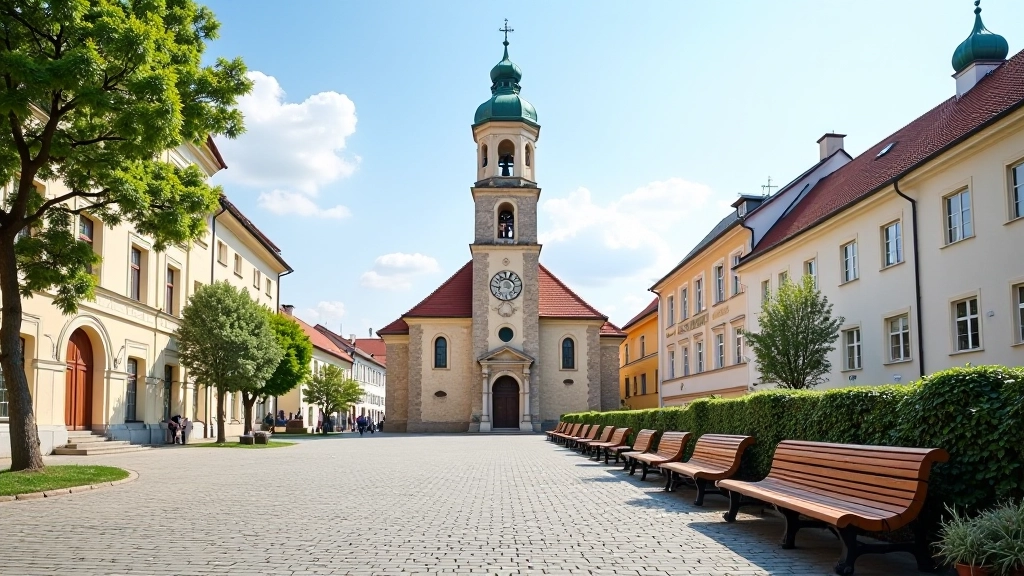
Visit seven major churches and chapels across the Old Town. Covers spiritual history, architectural styles, and peaceful interior spaces for reflection.
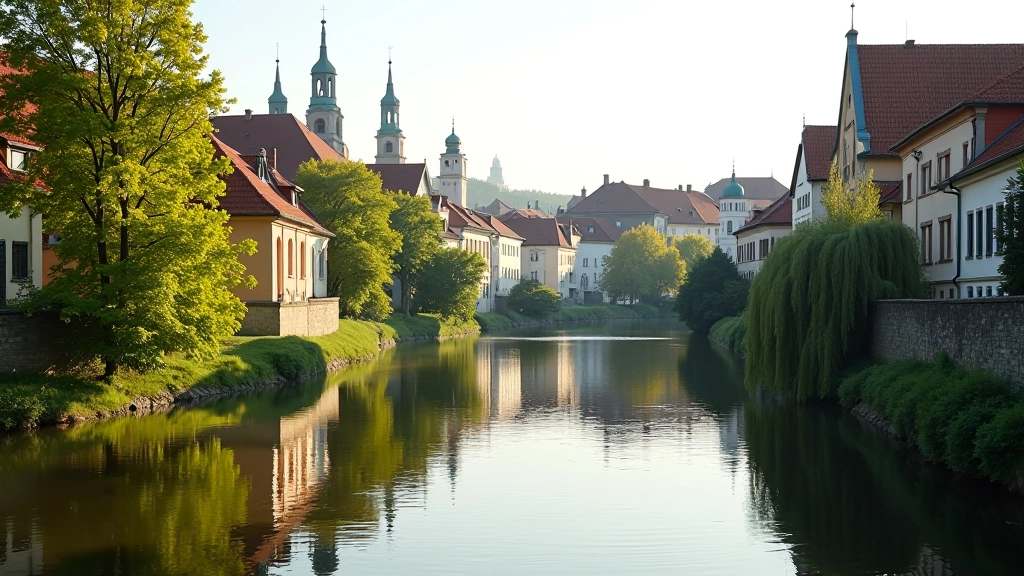
A peaceful 3 km route along the Vilnia River with views of the Old Town. Combines history with nature, including parks and quiet green spaces.